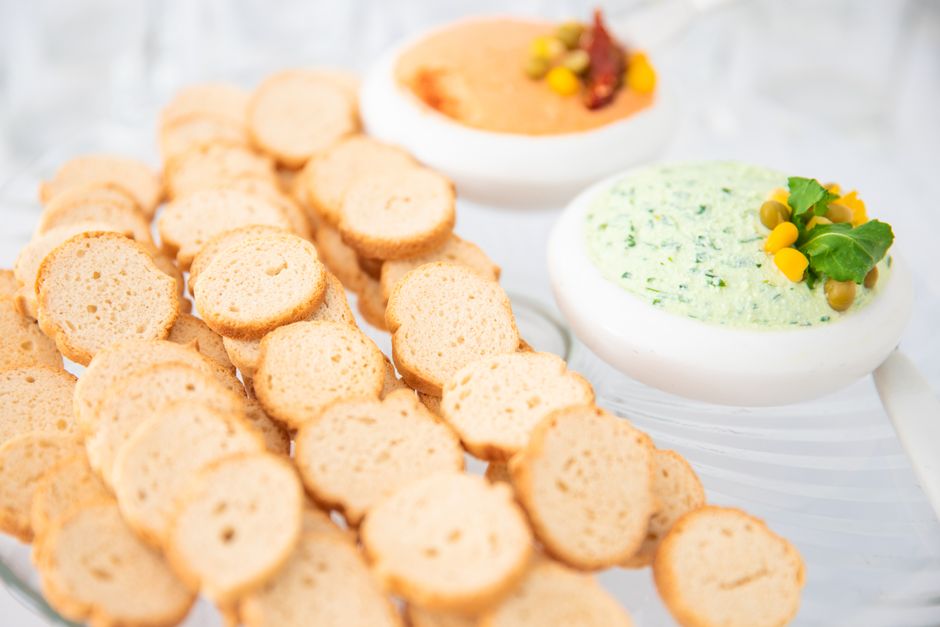
Alright, let's get into the weeds. You want to understand the real money-makers on a menu? Forget the fancy steak. Let's talk about the unsung hero of the bottom line.
The Spinach Dip Hustle: A Lesson in Kitchen Economics
To truly grasp the genius of spinach dip, you have to stop thinking like a diner and start analyzing it like a kitchen accountant. Its brilliance lies not in culinary complexity but in its bulletproof financial architecture, built from a roster of low-cost, shelf-stable workhorses. You won't find any temperamental prime cuts or delicate herbs here that perish if you breathe on them too hard.
Let’s crack open the ledger for a standard portion you’d find at any major restaurant chain.
The marquee ingredient, frozen chopped spinach, is a rounding error on the supplier's invoice; for a single serving, we’re looking at maybe 40 cents. The structural binder and creamy foundation—a blend of commercial-grade cream cheese, mayonnaise, and sour cream—comes from colossal tubs that make the per-serving cost a pittance. Let’s generously peg that rich chassis at $1.10. The cheesy element is never a pricey import; it’s an industrial-grade, low-moisture blend engineered for maximum melt with minimal expense, adding about 50 cents. The aromatics? Garlic and onion powder are practically free. We're talking fractions of a penny, so let's round up to a dime for seasoning.
Total food cost for the dip itself: roughly $2.10.
Tack on another 40 cents for the tortilla chips, which arrive in bags the size of a pillowcase and serve a couple dozen tables. That brings our grand total plate cost to a cool $2.50. Now, when that appetizer lands on your table with a $15 price tag, you’re witnessing a masterclass in margin. That’s a food cost percentage hovering around 16%. To put that in perspective, a well-managed restaurant sweats to keep its overall food cost between 28-35%. A pricey filet mignon can easily bleed out at a 45% cost. Spinach dip isn't just a profitable dish; it’s a cash cow that subsidizes the more expensive items on the menu.
But the ingredients are only half the story. The true operational wizardry is in the labor efficiency. Spinach dip is the holy grail of batch prep. One cook on a dead Tuesday morning can churn out a 20-quart cambro of this stuff in less than an hour. That massive batch gets portioned into countless individual crocks, wrapped, and stacked in the walk-in.
Flash forward to the chaos of a Friday night service. When that order ticket prints, the line cook isn’t sweating over a hot pan, wilting fresh spinach. They grab a pre-made portion, blast it under a screaming-hot salamander for five minutes until it's bubbling, and shuttle it to the pass with a scoop of chips. It’s a low-skill, high-speed transaction that guarantees consistency every single time.
Think of a menu as prime real estate, and the appetizer section is the high-visibility storefront designed for impulse buys. In that space, spinach dip is the bulletproof anchor tenant. It's a universally appealing comfort item engineered to be ordered without a second thought. Its core components are astonishingly cheap—a fact you can confirm yourself by pricing them on any grocery delivery service. This isn't just an appetizer; it's a triumph of economic strategy disguised as a shareable plate.
Here is the rewritten text, infused with the persona of a savvy food economist and former line cook.
The Spinach Dip Racket: Deconstructing a Restaurant Cash Cow
So you grasp the numbers. Now let's dissect the strategy. The wild success of that spinach dip on every gastropub menu isn't an accident of taste; it’s a masterstroke of menu engineering. Look beyond the food cost, and you'll see a psychological powerhouse designed to hit three critical targets with the average four-top: consensus, conviviality, and speed.
1. The Veto-Proof Play. When a table is paralyzed by choice, what wins? The path of least resistance. Spinach dip is the ultimate culinary safety net. In a landscape of spicy calamari or esoteric pâté, it’s the one item nobody will campaign against. This universal appeal makes it the lowest common denominator in the best possible way, a guaranteed order that gets the ticket machine printing.
2. The Social Accelerant. A bubbling crock of cheese-laden dip is more than an appetizer; it’s a tabletop centerpiece that forces interaction. It gets people leaning in, talking, and occupying their hands. From an operator’s perspective, this is gold. Shared plates are social lubricants that extend table times, and extended table times are where you sell that crucial second or third round of drinks. The dip isn't just feeding people; it's architecting the flow of the evening to maximize the check average.
3. The Kitchen’s Pressure Valve. From the other side of the pass, this dish is a godsend. Because the base is prepped in bulk ahead of time—mise en place, baby—a ticket for spinach dip is a five-minute affair. A cook just scoops it, tops it, and fires it under the salamander. This lightning-fast pickup gets something hot and satisfying in front of a hungry—and potentially impatient—table, buying the line valuable time to execute the far more complex and labor-intensive entrées. It’s the opening salvo that placates the crowd and keeps the kitchen out of the weeds.
Forget the flashy entrées. This dip is the unsung workhorse of the menu. It’s not the prima donna, dry-aged steak that gets the Instagram love. It’s the reliable, margin-rich engine humming quietly in the background, a low-cost, low-skill, high-profit machine that never fails to perform.
The Line Cook’s Playbook for Your Kitchen
The secret to replicating this at home isn’t about some celebrity chef’s recipe; it’s about adopting the kitchen’s economic and operational hustle. Here’s how you leverage the same thinking for a fraction of the cost.
- Actionable Insight #1: The Frozen Spinach Doctrine. Let’s get one thing straight: this is non-negotiable. Using fresh spinach is a rookie move that wastes both labor and money. Fresh spinach is mostly water, and your primary enemy here is moisture. Buy the block of frozen chopped spinach, let it thaw completely, and then wring every last molecule of water from it. Use your hands, a towel, a cheesecloth—I don’t care. Just get it bone dry. A watery dip is an amateur dip.
- Actionable Insight #2: Constructing the Emulsion. The backbone of any great dip is its base, and it's brutally simple. You need a 1:1 ratio of a primary fat (full-fat cream cheese, always) to a secondary dairy. For pure, decadent richness, use mayonnaise. For a bit of acidic cut, go with sour cream or full-fat Greek yogurt. The key word here is full-fat. This isn't the place to skimp. Fat is the scaffolding that prevents the dip from breaking into a greasy, separated mess under heat. It ensures a stable, creamy emulsion from the first scoop to the last.
- Actionable Insight #3: Stock Your Own Walk-In. Think like a prep cook on a Tuesday afternoon. If you’re making one batch, you’re wasting your time. Triple the recipe. Portion the uncooked dip into individual, oven-safe ramekins you can also freeze. Wrap them airtight. Just like that, you’ve built an inventory of high-value appetizers. When friends drop by unannounced, you’re less than 15 minutes away from pulling a bubbling, restaurant-caliber showstopper out of the oven. With this system, you'll serve a product that puts the tepid, overpriced versions showing up in a paper bag to shame. That's the hustle.